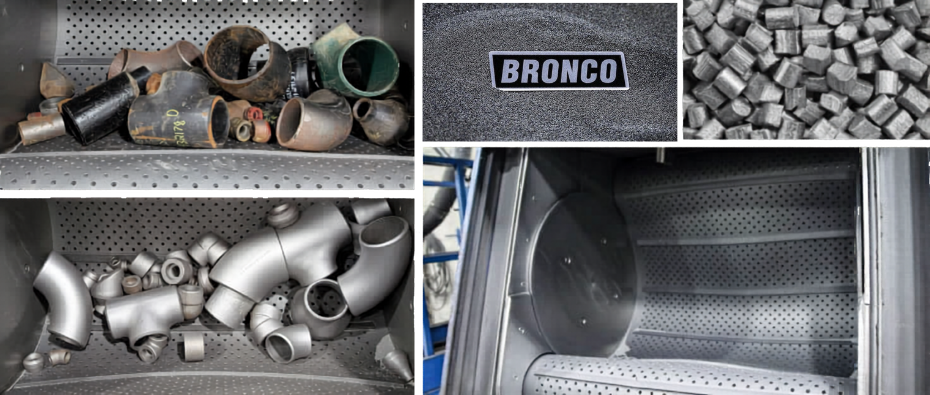
How to Choose the Right Shot Wheel Blast Solution
Selecting the right shot blast solution directly affects your production efficiency, finish quality, and operating costs. Centrifugal wheel blast systems are widely used across automotive, foundry, forging, heat treat, and metal fabrication because they deliver speed, consistency, and strong automation potential.
But choosing the right solution requires more than picking a machine off the shelf. You need to start by clearly defining your application requirements.
Clear requirements help you avoid unnecessary downtime, rework, safety risks, and added operating costs. The wrong machine or media choice can affect processing speed, labor efficiency, abrasive consumption, and maintenance demands.
For example, centrifugal wheel machines provide faster processing times, while automated loading and unloading, along with programmable controls, can reduce manual labor and operator variability. Using the right media and maintaining a clean, efficient separator system can also reduce waste and replacement costs. Clear requirements make it easier to choose equipment that fits your parts, throughput, finish standards, and facility constraints.
This guide outlines the key considerations and practical steps to help you define those requirements.
How to Define Requirements for Your Wheel Shot Blast Application
Part characteristics
Before you evaluate equipment options, clarify the part details that drive handling, coverage, and media selection.
Production requirements
These requirements influence the machine type, system size, and degree of automation that make sense for your operation.
Underestimating part complexity or production demands can lead to incomplete blasting, substrate damage, or equipment that is undersized for your largest parts or peak throughput requirements.
Match Shot Blast Equipment Types to Your Application
Once you have defined your part characteristics and production requirements, the next step is to evaluate which shot blast machine type best fits your application. There are many styles and types of shot blast Machines, each suited to specific use cases. The table below summarizes common options and their ideal applications.
| Shot Blast Machine Type | Ideal Applications |
|---|---|
 Tumble Blaster | Great for small parts that can tumble without damage. High-volume and cost-effective. |
 Spinner Hanger | Ideal for parts that can be hung and rotated, reducing part-on-part contact while allowing complete coverage in a single cycle. Some allow continuous operation, with one chamber or hanger processing parts while the other is loaded/unloaded. |
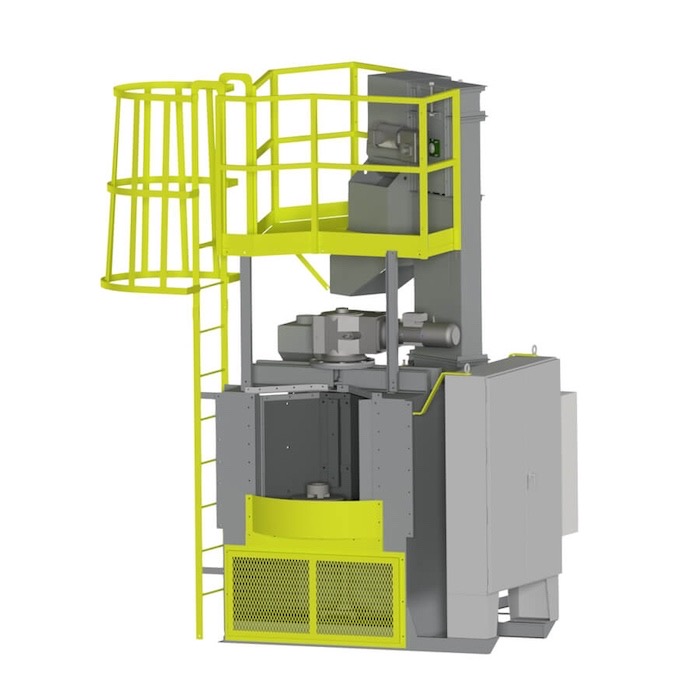 Multi-Table | Delivers versatility and repeatability. Allows for continuous operation, with one station processing while another is loaded/unloaded. |
 Table Blaster | Suitable for larger, heavier parts placed on a rotating table. Ideal for versatility and repeatability. |
Wire Mesh Belt Blaster | Designed for the continuous flow of parts, though attention must be given to areas that may be masked by the belt. |
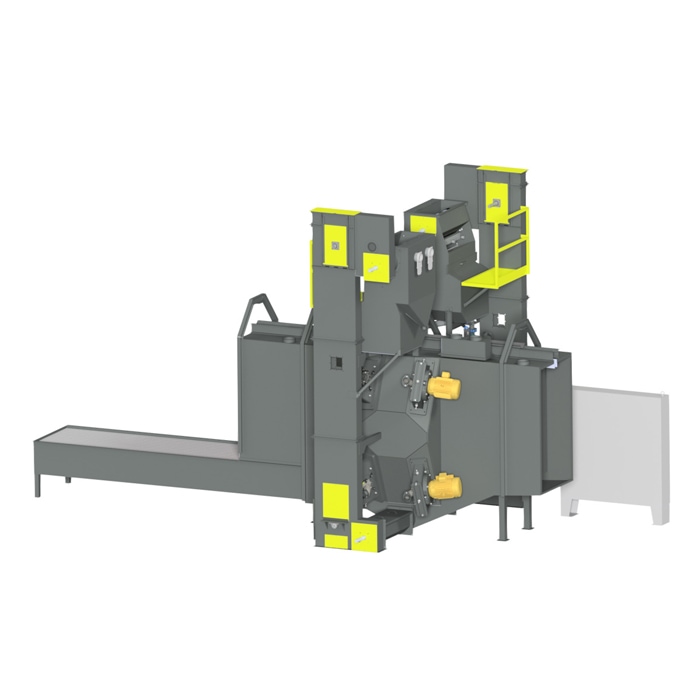 Pass-Thru Systems | Allows for the continuous flow of parts. Best for structural steel, beams, plate materials, and simple fabrications. |
Equipment selection should align with your parts, handling requirements, throughput goals, and finish objectives. A mismatched machine type can limit performance, create handling challenges, or damage parts. If you require some guidance or have questions on this selection, discuss your application with an Application Specialist, who can provide additional insight on machine configurations for your specific use case.
Choose the Right Abrasive Media for Your Application
Abrasive media selection affects cleaning performance, surface profile, and operating cost. Choose media based on your finish requirements and material sensitivity. Three factors typically drive the decision: size, hardness, and maintaining the right operating mix.
Low-carbon cast steel shot or grit is commonly used due to durability, strong energy transfer, low dusting, and minimal breakdown. Other media options may include:
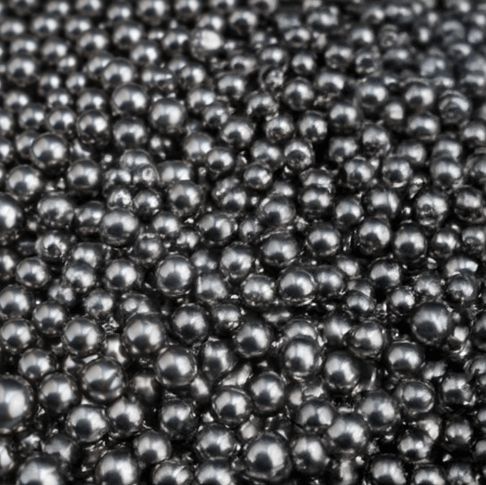
Stainless Shot or Grit
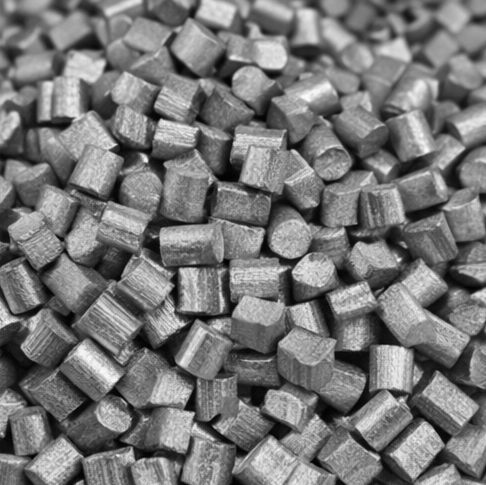
Cut Wire
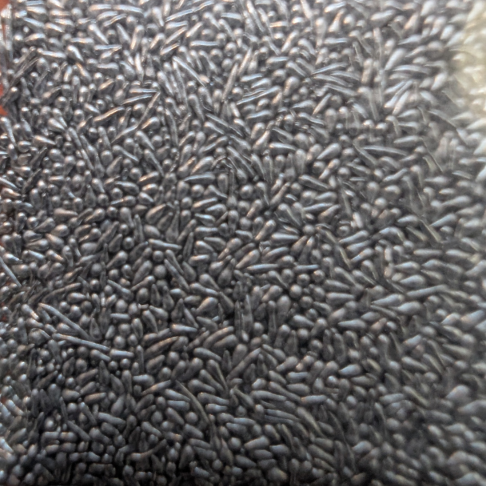
Zinc
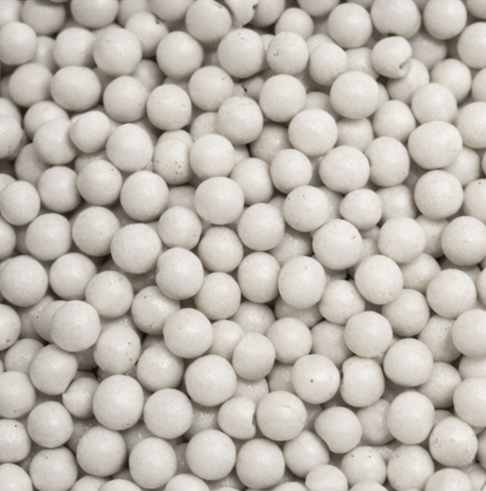
Ceramic Beads
Using the wrong size, material, or media type can affect finish quality, increase wear, and shorten equipment life.
Key Takeaways
Successful wheel shot blast system selection requires more than simply comparing machine prices. Proper planning should account for part size and complexity, production goals, finish requirements, facility constraints, media selection, and long-term operational needs. Choosing the wrong machine type, under-sizing equipment, or overlooking maintenance, training, safety, and environmental requirements can lead to reduced performance, increased downtime, and higher operating costs.
As you start this selection process, clearly define your application requirements, provide detailed RFQs, and work with experienced manufacturers that can validate performance through testing or demonstrations. The best solution is the one that delivers reliable throughput, consistent finish quality, operator safety, maintainability, and the lowest total cost of ownership over the life of the equipment.